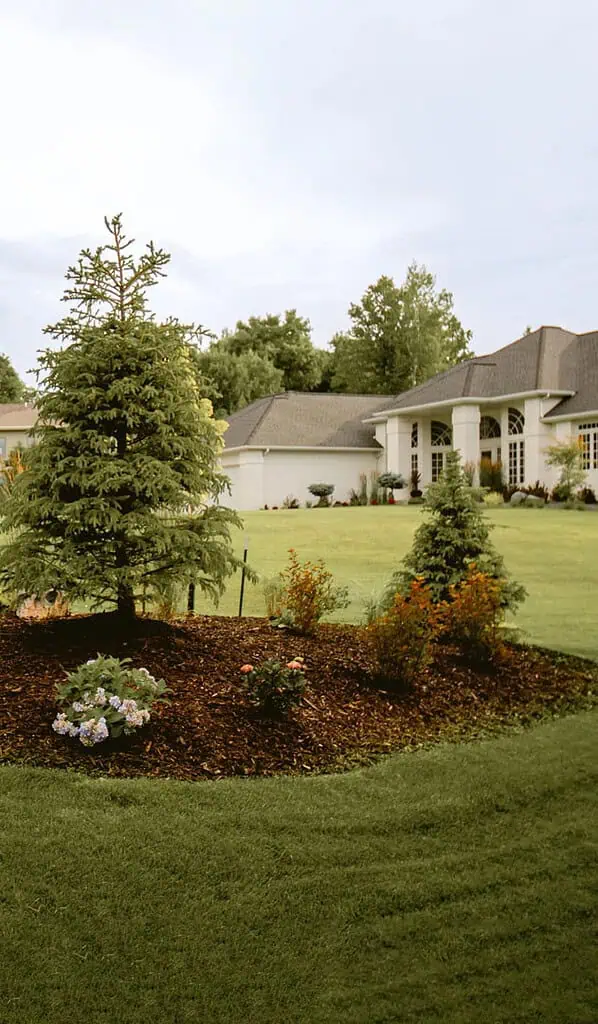
Heat Is a Design Test: What Summer Reveals About Your Landscape
Summer has a way of exposing what spring conceals. Here’s how thoughtful design, healthy growing conditions, and proactive care help landscapes perform when the heat is on.
Every Landscape Faces the Same Summer. Not Every Landscape Responds the Same Way.

Spring is forgiving.
Cool temperatures and regular rainfall can make almost any landscape look healthy. But as summer settles in, the conditions change. Heat intensifies. Rain becomes less predictable. Lawns, trees, and planting beds begin working harder to maintain their health.
This is when a landscape reveals how well it was designed, installed, and cared for.
The healthiest landscapes don’t simply survive summer—they continue to perform because the right decisions were made long before the hottest days arrived.

Healthy Landscapes Start Below the Surface
A healthy landscape begins where you can’t see it.
Healthy soil encourages deeper root growth, helping turf and plants access moisture during periods of heat. Proper grading moves water where it’s needed, while mulch helps regulate soil temperature and reduce evaporation.
These foundational elements don’t draw attention to themselves—but they make a noticeable difference by midsummer.
What to look for:
- Water soaking into the soil instead of running off
- Planting beds that retain moisture beneath the mulch
- Lawns that recover quickly after periods of heat
Learn more: University of Minnesota Extension – Water-Saving Strategies for Home Lawns

Design for Summer, Not Just Spring
A landscape should perform through every season—not just look good when conditions are ideal.
Plant selection, irrigation planning, drainage, and shade all influence how a landscape responds to summer stress. The right tree planted in the right location can cool a patio for decades. Proper irrigation supports healthy root systems while conserving water. Plants selected for their growing conditions require less intervention over time.
These are design decisions, but they’re also quality-of-life decisions.
When summer arrives, they shape how comfortably you experience your outdoor spaces.

Small Adjustments Make a Big Difference
Even well-designed landscapes benefit from seasonal attention.
During periods of prolonged heat:
- Water deeply and less frequently to encourage deeper roots.
- Raise mower height to reduce stress on turf.
- Refresh mulch where needed to help conserve moisture.
- Watch for early signs of drought stress before permanent damage occurs.
- Inspect irrigation systems to ensure even coverage.
Addressing small issues early helps protect the health—and long-term performance—of your landscape.
Learn more: University of Minnesota Extension – Conserving Water on Drought-Affected Lawns

Performance Doesn’t Happen by Accident
The landscapes that remain healthy, comfortable, and inviting in July rarely get there by chance.
They’re the result of thoughtful planning, quality construction, and consistent care over time.
Whether it’s designing a new outdoor living space, improving drainage, refreshing planting beds, or maintaining an established landscape, every decision contributes to how a property performs when summer asks the most of it.
Because heat doesn’t create a great landscape.
It reveals one.
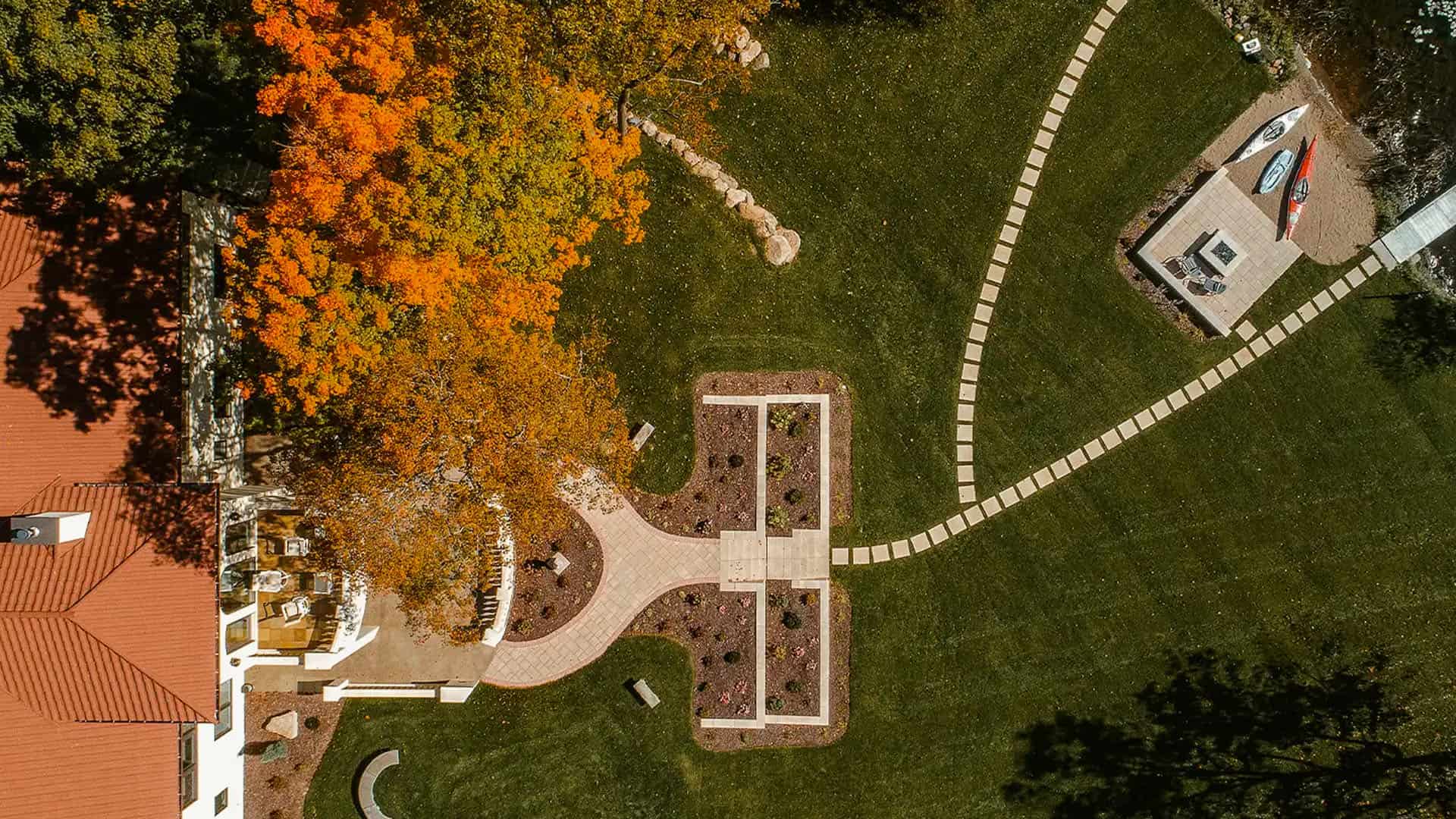
Designed to Perform
High-performing landscapes don’t happen by chance. They’re designed with intention, built with craftsmanship, and maintained with consistency.
Whether you’re planning a complete landscape transformation, improving irrigation, creating a more comfortable outdoor living space, or protecting an established landscape through seasonal maintenance, every decision contributes to how your property performs when summer asks the most of it.
Learn more about how Miller Creek approaches every project:
Begin the Conversation
Reach out online or call 218.727.3040 to meet with a consultant and begin creating your vision.