May Lawn Care: What TO DO and what NOT to do
May is the most consequential month in the Minnesota lawn calendar. The ground has thawed, the grass is waking up – and so are the weeds. What you do this month sets the tone for everything that follows. Here’s your guide from the team that’s been caring for northern Minnesota landscapes for over 38 years.
Ready to team up for your lawn care maintenance. Book a call today!

Your Lawn
✓ Do This
- Treat dandelions while the window is open.
May is peak dandelion season in northern Minnesota — and it’s also the most effective moment to act. Liquid weed control applied while dandelions are actively growing stops them before they seed and spread. Every week you wait narrows that window.
- Apply weed killer at 55°F.
Once your soil hits 55 degrees – typically mid-May in our region – it’s time for pre-emergent herbicide. This is your best defense against crabgrass and summer annual weeds. Miss this window, and you’ll spend the rest of the season playing catch-up.
- Fertilize once the grass is actively growing.
A light spring application of slow-release fertilizer gives your lawn the nutrients it needs to thicken up and crowd out weeds naturally. A dense, healthy lawn is your best long-term defense. Pro Tip: When you sign up for Miller Creek’s 4-lawn treatment program, you get a free soil test.Note: Minnesota law prohibits phosphorus fertilizers on established lawns unless a soil test confirms the need.
- Let the grass tell you when to mow.
Wait until it reaches 3 inches before the first cut of the season. Mow high, take off no more than a third at a time, and resist the urge to cut by the calendar. Taller grass shades the soil and suppresses weed germination – it’s one of the simplest things you can do for a healthier lawn.
- Wait for the soil to dry.
Minnesota soils – especially heavier clay – can hold moisture long after snowmelt. Working on a saturated lawn compacts the soil and damages new root growth. When the “squish” is gone, you’re ready.
✗ Not This
- Don’t let dandelions go to seed.
Each plant can release up to 200 seeds. Once that white puffball appears, containment is already a challenge. Treat early, treat while they’re flowering, and stay ahead of it.
- Don’t overseed in spring.
Cool-season grasses establish best in the fall. Spring seed has to compete with weeds during its most vulnerable window and rarely survives the summer heat. Save it for September – your lawn will thank you.
- Don’t apply weed killer where you plan to seed.
Pre-emergent herbicides don’t distinguish between weed seeds and grass seed. Patch bare spots separately and address weeds in those areas another way.
- Don’t shave on the first warm day.
Cutting too short stresses cool-season grass and opens the door to weeds and disease. Start high. Work down gradually.
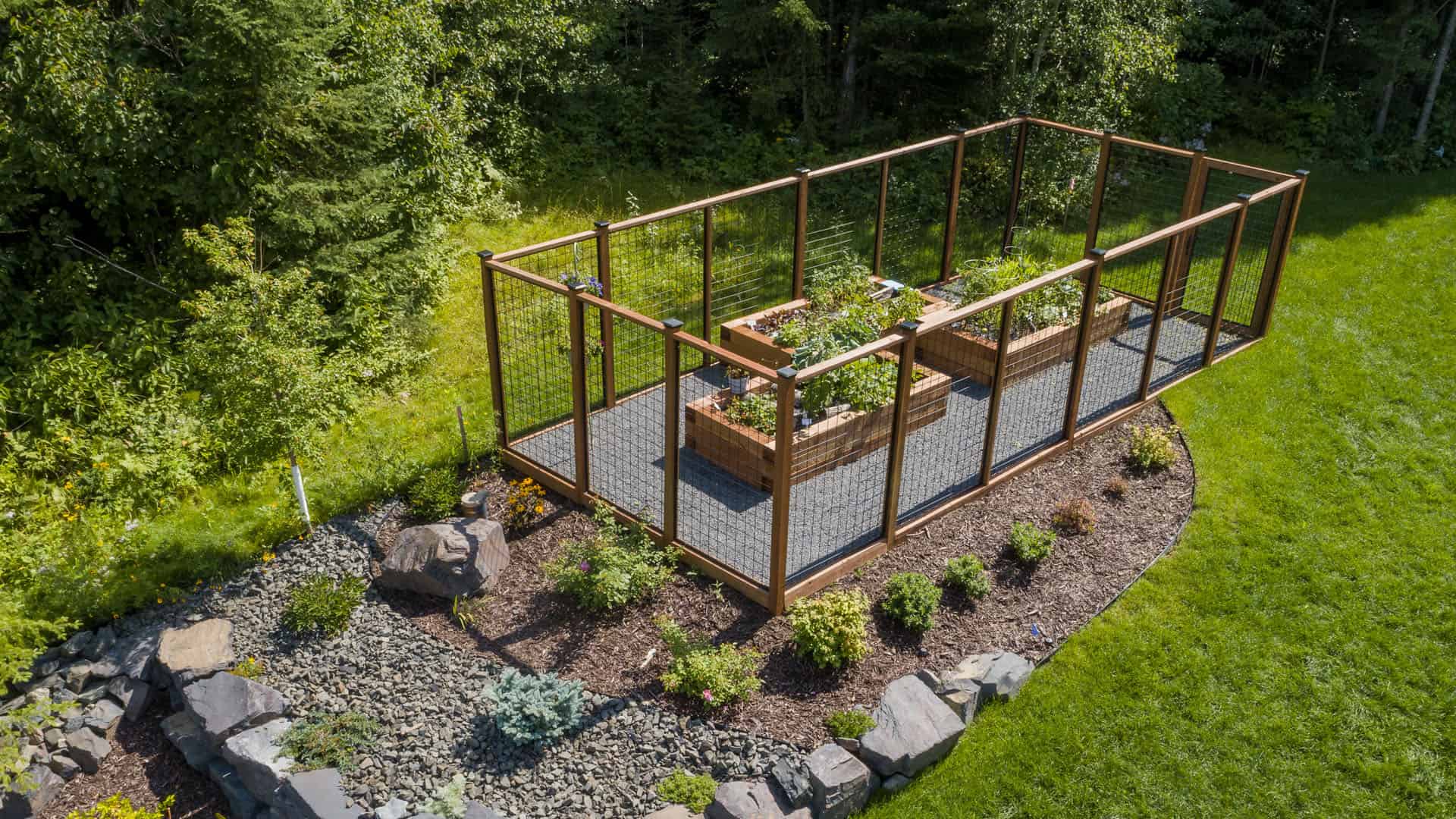
Your Garden Beds
✓ Do This
- Clear before you plant.
Remove winter debris, loosen last season’s mulch to let oxygen back into the soil, and do any light pruning of perennials that need it. A clean bed is a healthy bed — and a far less hospitable environment for weeds.
- Mulch — but wait a beat.
Two to three inches of fresh mulch suppresses weeds, retains moisture, and gives the whole yard a polished, finished look. Apply after the soil has had a chance to warm slightly.
- Plant annuals after Memorial Day.
It’s the reliable benchmark for northern Minnesota — but keep an eye on the forecast. There’s still a meaningful chance of frost throughout May in our region. Have a lightweight cover ready for tender plants just in case.
- Divide overcrowded perennials.
Early May is ideal for dividing daylilies, hostas, and Shasta daisies before they get too large. It rejuvenates the plants and gives you more of what you love.
✗ Not This
- Don’t rush warm-season vegetables.
Tomatoes and peppers need soil temperatures of at least 60°F. Plant too early and you stunt their growth — sometimes by weeks. Patience here pays off handsomely come July.
- Don’t skip soil prep.
Plants dropped into unprepared soil rarely perform well. Loosen, amend if needed, and check drainage. The effort you put in before planting is returned all season long.
- Don’t prune spring-blooming shrubs yet.
Rhododendrons, lilacs and forsythia bloom on last year’s wood. Prune them now, and you’ll sacrifice this season’s flowers. Wait until after bloom to shape them.
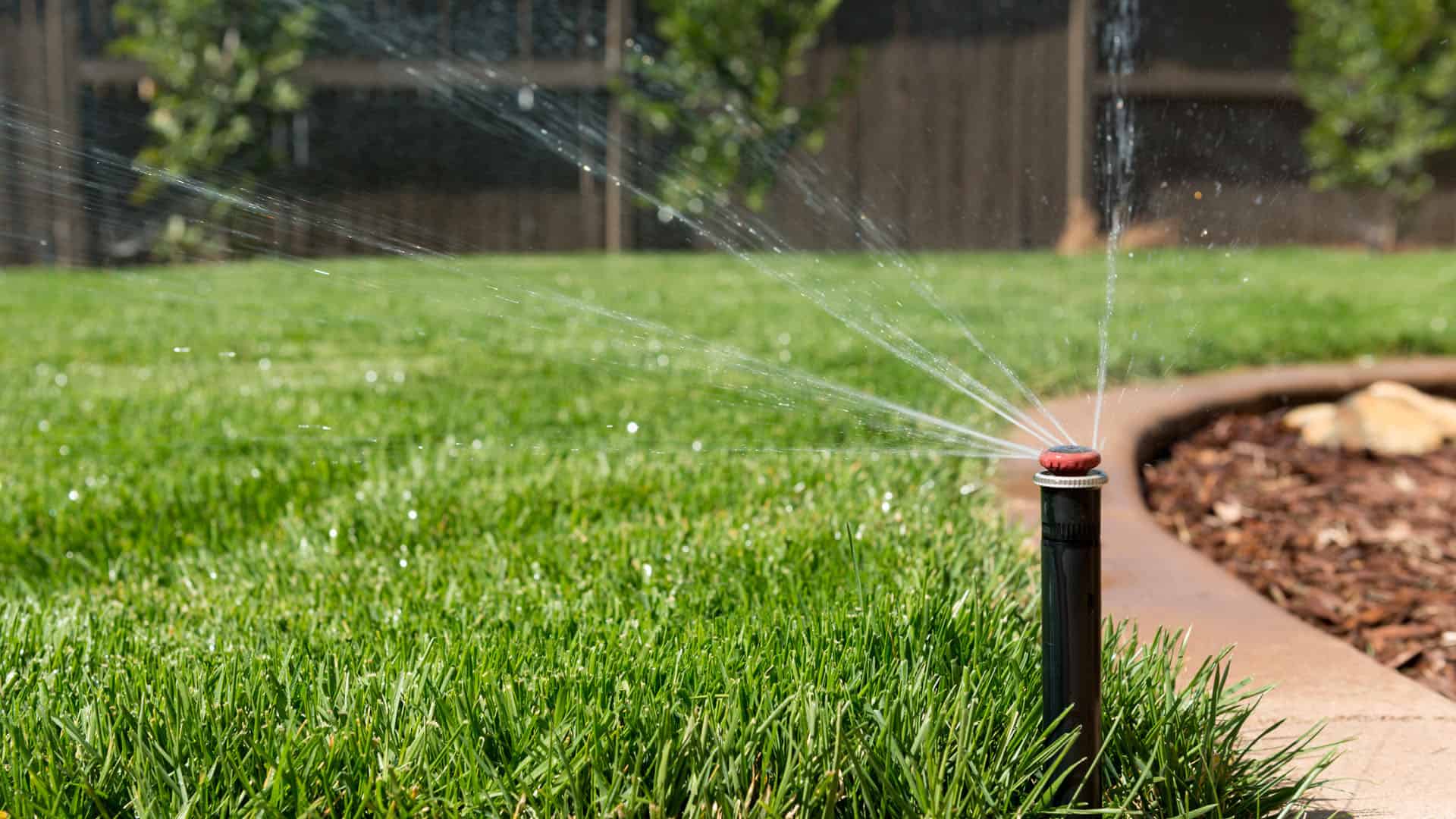
Your Irrigation System
✓ Do This
- Schedule your spring startup now.
May is the right time to bring your system back online — checking for snow removal damage, testing each zone, and setting a schedule that makes sense for the season ahead. Don’t wait until summer heat arrives and schedules fill.
- Water deeply and infrequently.
Long, infrequent cycles train roots to grow downward, building the resilience your lawn will need during drier stretches later in the season.
✗ Not This
- Don’t run a full summer schedule in May.
Snowmelt keeps Minnesota soils moist well into spring. Overwatering early promotes shallow root systems and invites lawn disease. Let the soil guide you.
- Don’t skip the startup inspection.
Lines and heads that cracked over winter won’t announce themselves until the system is running. A professional startup finds those issues before they quietly waste water — or flood a garden bed — all season long.
Your Hardscape
✓ Do This
- Walk your property with fresh eyes.
Minnesota’s freeze-thaw cycle is demanding on hardscape. Look for shifted pavers, heaved walls, or compromised joints. What’s caught early is almost always simpler — and less costly — to address.
- Clean and reseal paver surfaces.
A thorough wash and fresh sealant protect against staining, weed growth in joints, and UV wear. It also brings the color back to life in a way that’s quietly satisfying after a long winter.
✗ Not This
- Don’t ignore drainage problems.
Pooling water and erosion after snowmelt are signals worth heeding. Left unaddressed, poor drainage undermines hardscape foundations, stresses plantings, and creates persistent lawn health issues.
If You Need Help – We’re Here
May moves quickly in Minnesota. If you’d rather spend your weekends enjoying your yard than maintaining it, that’s exactly what Miller Creek’s maintenance program is designed for. Let us handle the timing, the treatments, and the details.
Our design team is also still scheduling consultations for the 2026 season. Whether you’re ready to address this season’s to-do list or ready to reimagine your yard entirely – we’d love to be part of it.
Reach out online or call 218.727.3040.